
Nail art has been around for centuries, with different cultures creating their own unique designs. In recent years, it has become a popular trend in the fashion world, with people of all ages and backgrounds sporting intricate and colorful nail designs. Though it may seem like a relatively new phenomenon, the history of nail art dates back thousands of years.
Early examples can be seen in ancient Egyptian paintings, which depict women with brightly painted nails. In China, during the Ming Dynasty (1368-1644), nail art was often used as a status symbol, with wealthy citizens adorning their nails with gold and silver lacquer. The modern era of nail art began in the early 20th century when women started painting their nails for special occasions.
950 3355 3476 Theory Nail anatomy Hindi By Reeta prajapati, Training Officer NSTI, Rajpura
Nail Theory Pdf
Nail theory is a branch of cosmetology that deals with the care and decoration of nails. It includes manicures, pedicures, and other nail treatments. Nail theory also covers the history and evolution of nail care, as well as the science behind it.

Credit: en.wikipedia.org
What are the 7 Structure of Nails?
There are seven structures of nails: the nail plate, nail bed, cuticle, lunula, matrix, eponychium, and hyponychium. The nail plate is the hard protective covering that makes up the majority of the nail. The surface of the nail plate is composed of keratin cells which are constantly growing and being pushed outwards by new cells forming at the base of the plate.
The shape of the nail plate is determined by the shape of the underlying bone. The nail bed is a thin layer of tissue that lies underneath the nail plate. It consists mostly of blood vessels and nerves.
The blood vessels provide nutrients to the growing nails and help to keep them healthy. The nerves in the nail bed allow us to feel touch and pressure on our nails. The cuticle is a thin layer of skin that covers the bottom edge of the nail plate.
It helps to protect against infection and keeps dirt and debris from getting under our nails. The cuticle can be removed with manicure scissors or an electric file if desired. The lunula is a small white area at the base of your fingernails where new cells are being generated.
It’s sometimes called “the moon” because it’s shaped like a half-moon. You can usually see it best on your thumbnails or index fingers. The matrix is responsible for generating new cells for both your finger- and toenails.
It extends from beneath the lunula all the way back to where your fingernail attaches to your finger (or toe). The matrix contains blood vessels that nourish developing nails as well as melanocytes that give our fingernails their coloration . We can damage our matrix if we accidentally hit our fingernail too hard – this can result in bruising or even deformed nails. Any time you have an injury to your fingertip, there’s potential for damage to this hidden structure!
How Many Types of Nail Art are There?
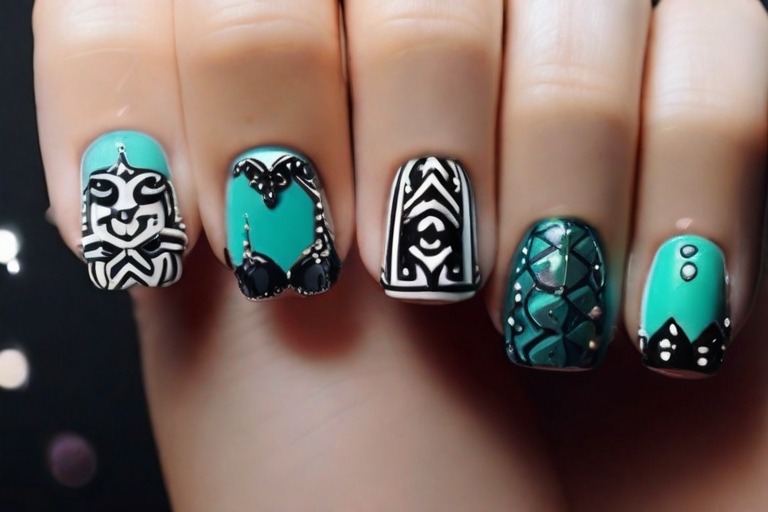
Nail art has been around for centuries, with different cultures having their own unique designs and methods. In recent years, it has become more popular than ever, with new technologies and materials making it easier to create intricate designs. There are now thousands of different nail art designs to choose from, and the possibilities are endless.
The most basic type of nail art is a simple polish change. This can be as simple as painting your nails a different color, or adding a few stripes or dots. You can also get more creative with polish changes by using multiple colors, creating gradient effects, or adding glitter or other decorative elements.
If you want something more elaborate, there are many options available. One popular option is 3D nail art, which uses special gels and techniques to create raised designs on the nails. Another popular option is airbrushing, which uses a stencil and airbrush machine to paint designs onto the nails.
You can also find stickers, decals, and false nails that come pre-decorated with all sorts of designs. No matter what your style or budget is, there’s a type of nail art that’s perfect for you!
What are Nail Designs Called?
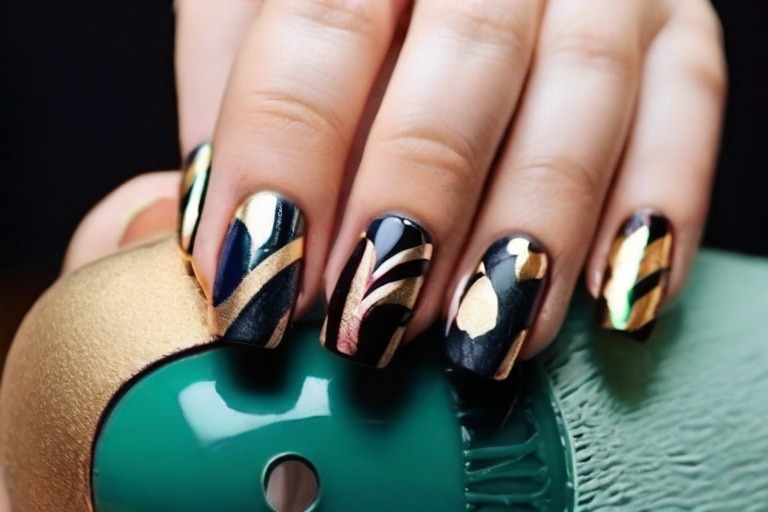
Nail designs are called nail art. Nail art is a creative way to decorate your nails. It can be simple or elaborate, and it is usually done with Polish, paint, or other materials.
What is the History of Nail Art?
Nail art has been around for centuries, with the first recorded instance dating back to 3000 BC in China. The practice of nail decoration then spread to other cultures, including the Egyptians, who adorned their nails with henna. Nail art reached its peak in the late 1990s and early 2000s, when it became a popular trend among young women.
Today, there are endless possibilities when it comes to nail art, from simple designs to complex 3D creations. Whether you’re a DIY enthusiast or prefer to leave it to the professionals, there’s no doubt that nail art is here to stay!
Frequently Asked Questions [FAQs]
What is the Nail Art Theory PDF in Hindi?
Where can I find the Nail Art Theory PDF in Hindi?
How can I use the Nail Art Theory PDF in Hindi to learn nail art?
Does the Nail Art Theory PDF in Hindi contain pictures?
Is the Nail Art Theory PDF in Hindi suitable for beginners?
Conclusion
Wrapping it up, learning nail art theory can be a fantastic way to add creativity and flair to your beauty regime. With the help of our comprehensive Nail Art Theory PDF in Hindi, you’ve grasped the foundational principles and techniques of this beautiful craft. Remember, nail art is more than just a beauty enhancement—it’s a means of self-expression and a testament to your individual style. Now it’s time to let your imagination soar and create your unique designs. Ready to further explore the world of nail art? Grab your Nail Art Theory PDF in Hindi today and get started!